Medical Severity Has a Story Arc: What Raji Chadarevian’s AIS 2026 Session Made Plain
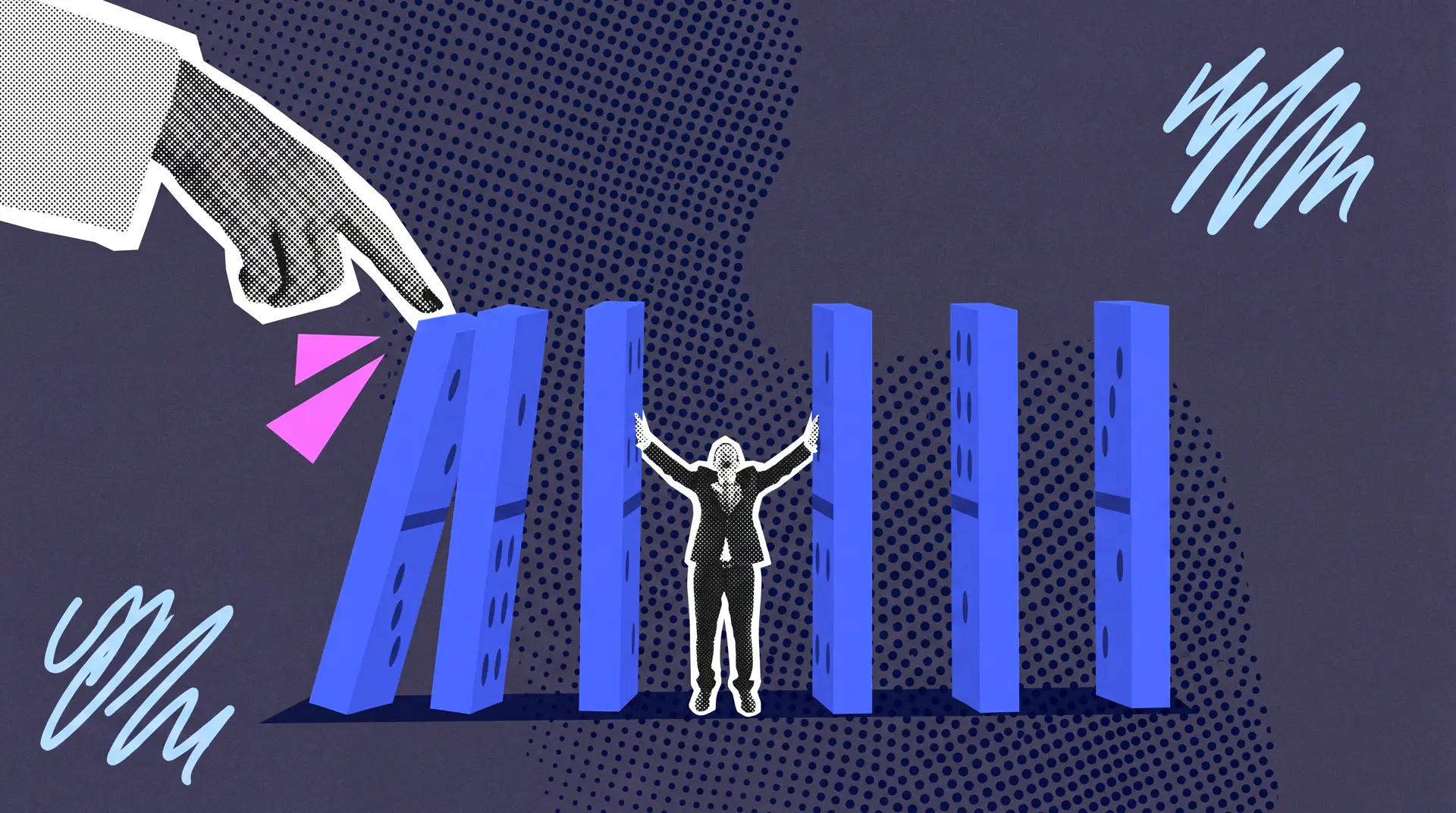
A hand tips dominoes while a small figure braces them, illustrating medical severity's cascading arc from AIS 2026's recap.

Raji Chadarevian opened his AIS 2026 session with three injured workers and a clear thesis. Medical severity is not a single number. It is a sequence of demographic, treatment, and timing decisions that compound over the life of a claim. Senior Solutions Advisor Ryan Smith reads what it means for workers’ compensation carriers.
Three Bureaus, One System, No Single Story: What CA, NY, and NCCI Made Clear at AIS 2026

Three colored doors open onto different paths, illustrating the CA, NY, and NCCI bureaus behind AIS 2026's multi-state workers' comp recap.

Tracy Ryan, Andrea Coleman, and Jeremy Attie closed AIS 2026 with a panel that made one case more clearly than any session in recent memory: workers’ comp is a federation, not a system. Senior Solutions Advisor Ryan Smith reads what the three-bureau dynamic means for carriers running across NCCI states, California, and New York.

The Workforce Got Older and Newer at the Same Time: What Coate and Hendrick Showed Us at AIS 2026

A pop-art hourglass framed by lightning bolts, illustrating workforce demographic shifts behind AIS 2026's injury-pattern data.

Patrick Coate and Paul Hendrick paired their AIS 2026 sessions to make a quiet but unmistakable case: the workers’ comp book of 2030 will look meaningfully different from today’s. Senior Solutions Advisor Ryan Smith reads what their data on aging workers, new hires, and industry mix means for 2026 underwriting and claims.

A Labor Market That Held Up by Almost Standing Still: Reading Stephen Cooper’s 2026 Economy Update

A hand spins one plate while another drifts loose and a third cracks. The image illustrates the fragile 2025 economy behind AIS 2026's workers' comp update.

Stephen Cooper opened his AIS 2026 economy update with an uncomfortable truth: 2025 saw the slowest U.S. job growth outside a recession in more than two decades, but workers’ comp kept turning. Senior Solutions Advisor Ryan Smith reads what Cooper’s data means for premium, frequency, and severity heading into 2026.

The Eleven-Year Lucky Streak Just Tightened: Reading NCCI’s 2025 State of the Line

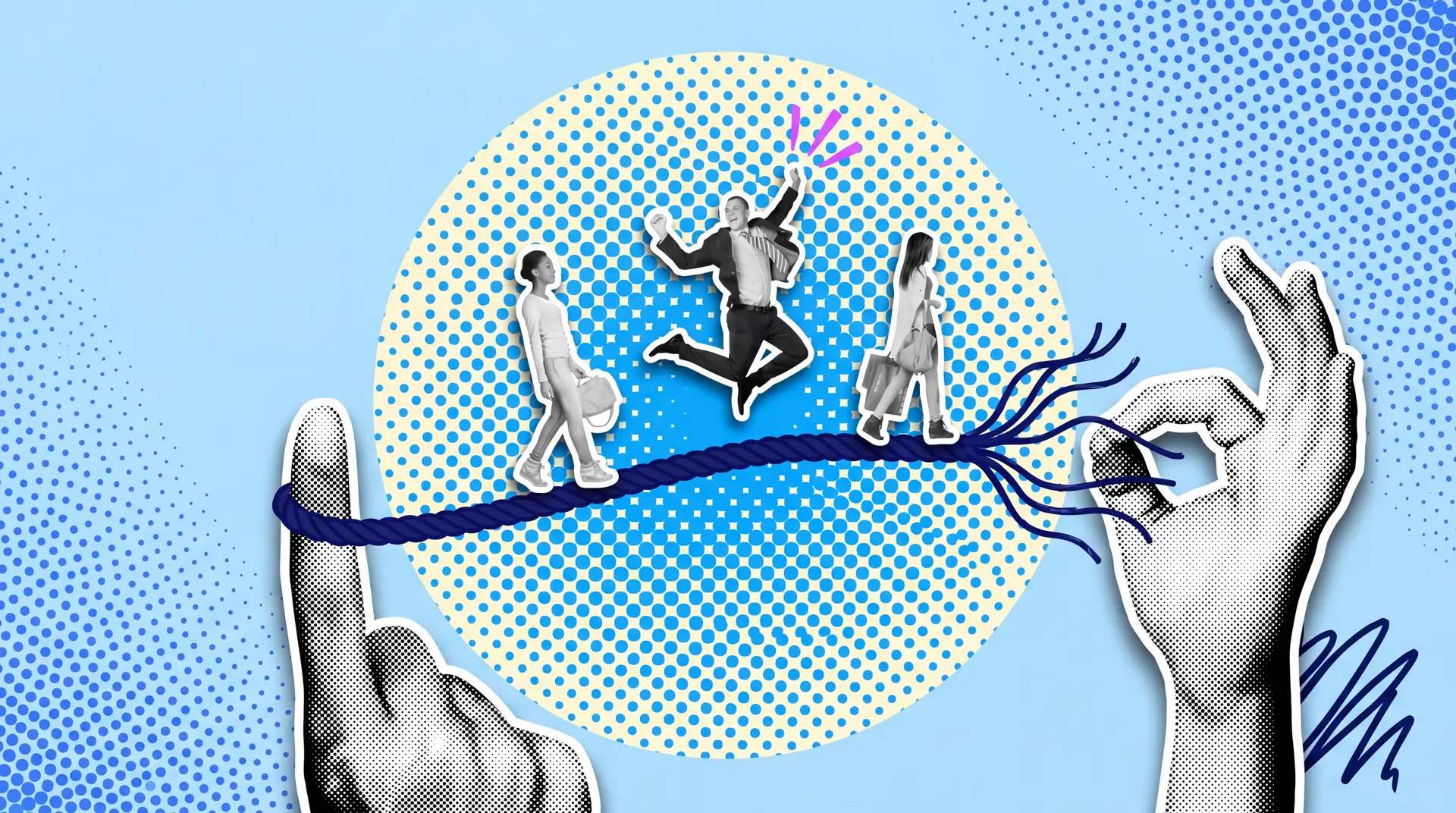
Business figures walk a tightening rope, illustrating NCCI's 2025 State of the Line and workers' comp's narrowing margins at AIS 2026.

NCCI’s 2025 State of the Line marked the twelfth consecutive year of underwriting gains for workers’ compensation, but the underlying math tightened. Combined ratios rose five points. Accident year crossed 100. Reserve redundancy slipped to $14 billion. Senior Solutions Advisor Ryan Smith reads what these shifts mean for 2026 planning.

What Mollick’s AIS Keynote on Artificial Intelligence (AI) Means for Workers’ Comp

Human hand and robotic hand meeting in a handshake, illustrating human-AI collaboration in workers' compensation ahead of Mollick's AIS 2026 keynote.

Ethan Mollick takes the AIS 2026 keynote stage with a cross-industry frame on AI adoption. Workers’ compensation needs the localization. We unpack the honest state of AI adoption in our industry, where it is already paying off, where the gaps still are, and what ’embracing the AI revolution’ looks like for carriers, SIGs, captives, MGAs, and TPAs.

Medical Severity Isn’t One Number: What’s Really Driving Claim Costs Heading Into AIS 2026

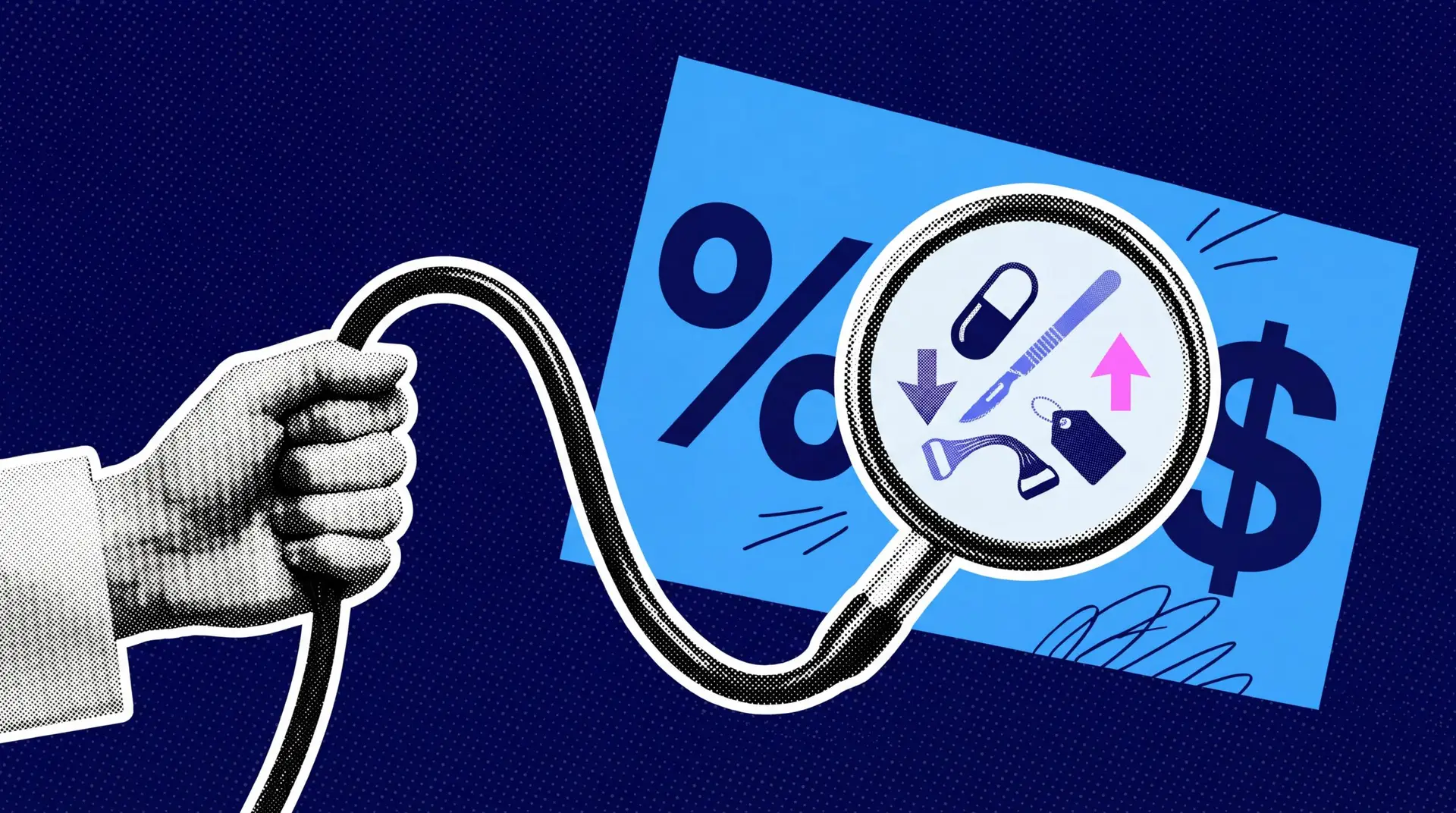
Hand holding a stethoscope, with the chestpiece revealing workers' compensation medical cost drivers (pill, scalpel, physical therapy band, price tag, and trend arrows) over percent and dollar signs. Hero image for the True Insurtech Solutions NCCI AIS 2026 medical severity blog.

When someone says medical severity is up six percent, it sounds like a single data point. NCCI’s Raji Chadarevian frames AIS 2026’s severity session this way: medical severity is more than a single metric. Here’s what’s driving claim costs going into the rest of the decade.

Every State Has a Story: What CA, NY, and NCCI Dynamics Tell Us About the Future of Workers’ Comp

Three hands extend from a laptop screen, each holding a different blue-toned book, symbolizing the distinct workers' comp regulatory stories of California, New York, and NCCI states.

Workers’ comp is a national industry with no national system. From California’s independent bureau to New York’s competitive pressures, state dynamics reveal what’s coming for the entire industry.

Demographics, Injury Patterns, and What the Data Says for Workers’ Comp

Editorial collage illustration of three overlapping paper panels of varied sizes populated with halftone silhouette figures in uneven groupings, with one figure walking between panels, representing the shifting demographic composition of the American workforce.

The American workforce doesn’t look the way it did five years ago. Workers are older, in different industries, and in different states — and the injury patterns are shifting with them. Here’s what the data says.

The Economy and Workers’ Comp: Why Macro Trends Hit Closer to Home Than You Think

Conceptual collage of a hand gripping rising blue and purple arrows as a dark arrow snaps downward and a pink arrow falls, illustrating economic uncertainty.

Workers’ comp is priced off payroll and shaped by employment patterns. When the economy shifts, carriers feel it — sometimes immediately, sometimes with a lag. Here’s how to read macro trends before they hit your book.

NCCI State of the Line 2026: What the Numbers Mean

Illustrated magnifying glass examining zigzag data patterns against a deep blue background, representing close analysis of workers' compensation industry trends for 2026.

Every year, the NCCI State of the Line defines the conversation at the Annual Insights Symposium. Here’s what the 2026 numbers are likely to reveal about combined ratios, loss trends, and the financial health of the workers’ comp market.