The Workforce Got Older and Newer at the Same Time: What Coate and Hendrick Showed Us at AIS 2026
A pop-art hourglass framed by lightning bolts, illustrating workforce demographic shifts behind AIS 2026's injury-pattern data.

Patrick Coate and Paul Hendrick paired their AIS 2026 sessions to make a quiet but unmistakable case: the workers’ comp book of 2030 will look meaningfully different from today’s. Senior Solutions Advisor Ryan Smith reads what their data on aging workers, new hires, and industry mix means for 2026 underwriting and claims.
Twelve Years In, the Story Just Got More Honest: Five Threads to Pull from AIS 2026

Pop-art hands take notes on paper, illustrating True's AIS 2026 workers' comp recap from NCCI's Orlando symposium.

Ryan Smith just got back from NCCI’s Annual Issues Symposium in Orlando. The twelfth straight year of underwriting profitability for workers’ compensation held. The rooms in Orlando sounded different about it. True’s Amy Sliger walks through five threads from AIS 2026 worth pulling on as carriers head into 2026.

Demographics, Injury Patterns, and What the Data Says for Workers’ Comp

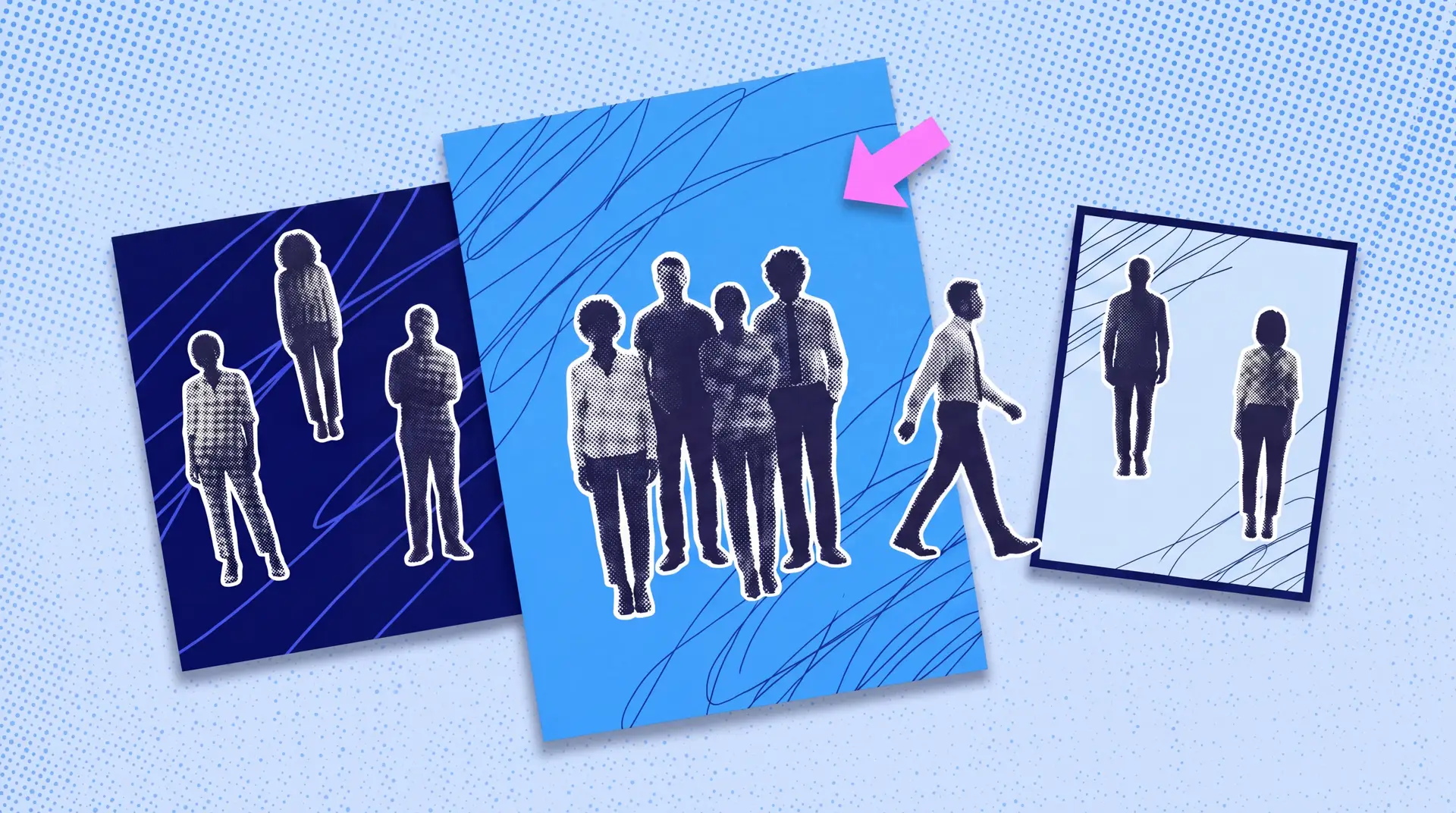
Editorial collage illustration of three overlapping paper panels of varied sizes populated with halftone silhouette figures in uneven groupings, with one figure walking between panels, representing the shifting demographic composition of the American workforce.

The American workforce doesn’t look the way it did five years ago. Workers are older, in different industries, and in different states — and the injury patterns are shifting with them. Here’s what the data says.

Your People Aren’t the Problem. Here’s How to Make Them Your Biggest AI Advantage.

A crystalline AI hand passes an origami heart folded from blueprint paper to an open human hand, symbolizing human-AI partnership and workforce support in workers' compensation operations.

AI isn’t coming to replace your workers’ comp operations team, but it is going to change what every role on that team looks like, and the organizations that manage that transition well will outperform those that don’t. This is a practical guide to evolving roles, building the skills that matter, and creating the culture that makes human-AI partnership work in workers’ comp.