AI Isn’t Replacing Your Team. It’s Deciding What They Spend Their Day On.

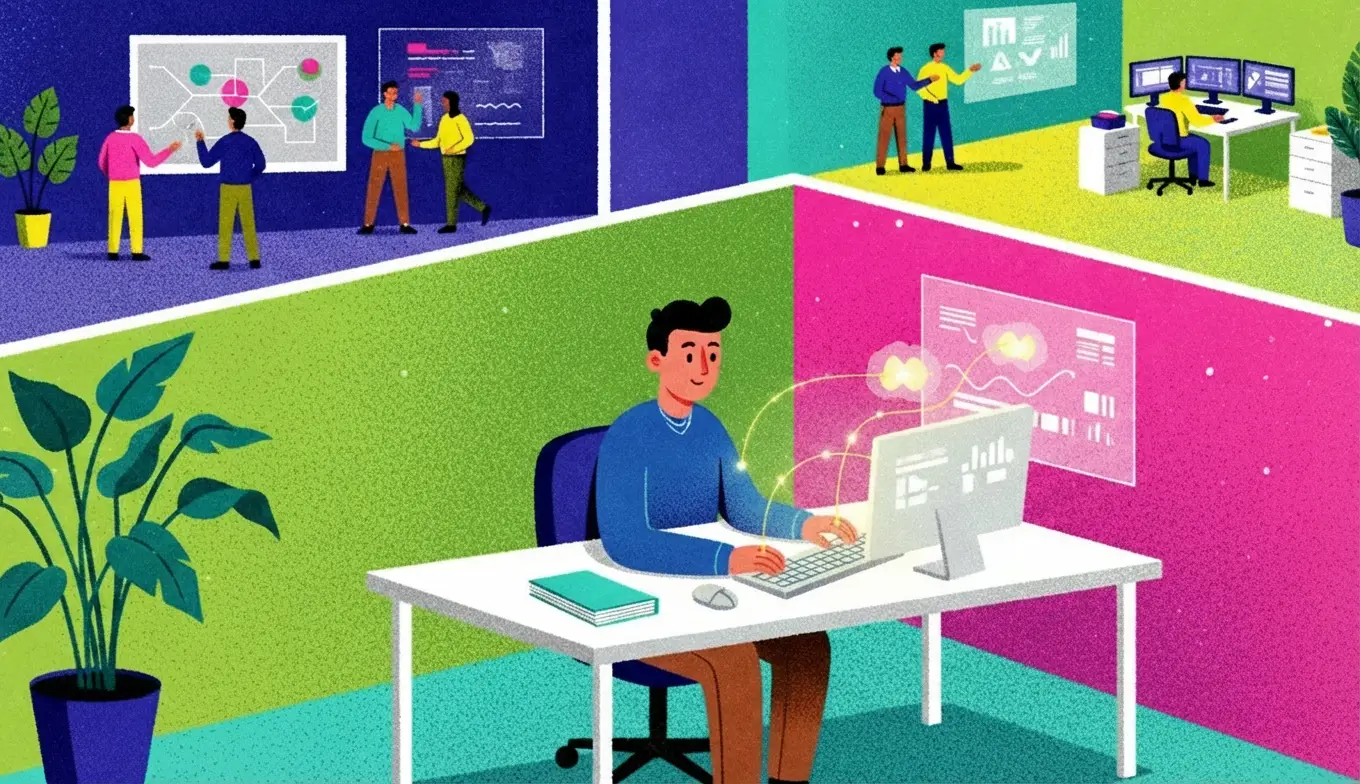
Illustration of a worker at a desk with a laptop, glowing data threads connecting to an AI-powered display, while colleagues collaborate in the background across a multi-room office environment, representing how AI supports and redirects human work rather than replacing it.

Generative AI is not coming for your adjusters’ jobs, but it is going to change what those jobs look like. The real question isn’t whether AI will reshape your team’s day-to-day. It will. The question is whether you’re going to use it to free your best people to do their best work or leave them buried in tasks a computer could handle better anyway.

Medical Severity Has a Story Arc: What Raji Chadarevian’s AIS 2026 Session Made Plain

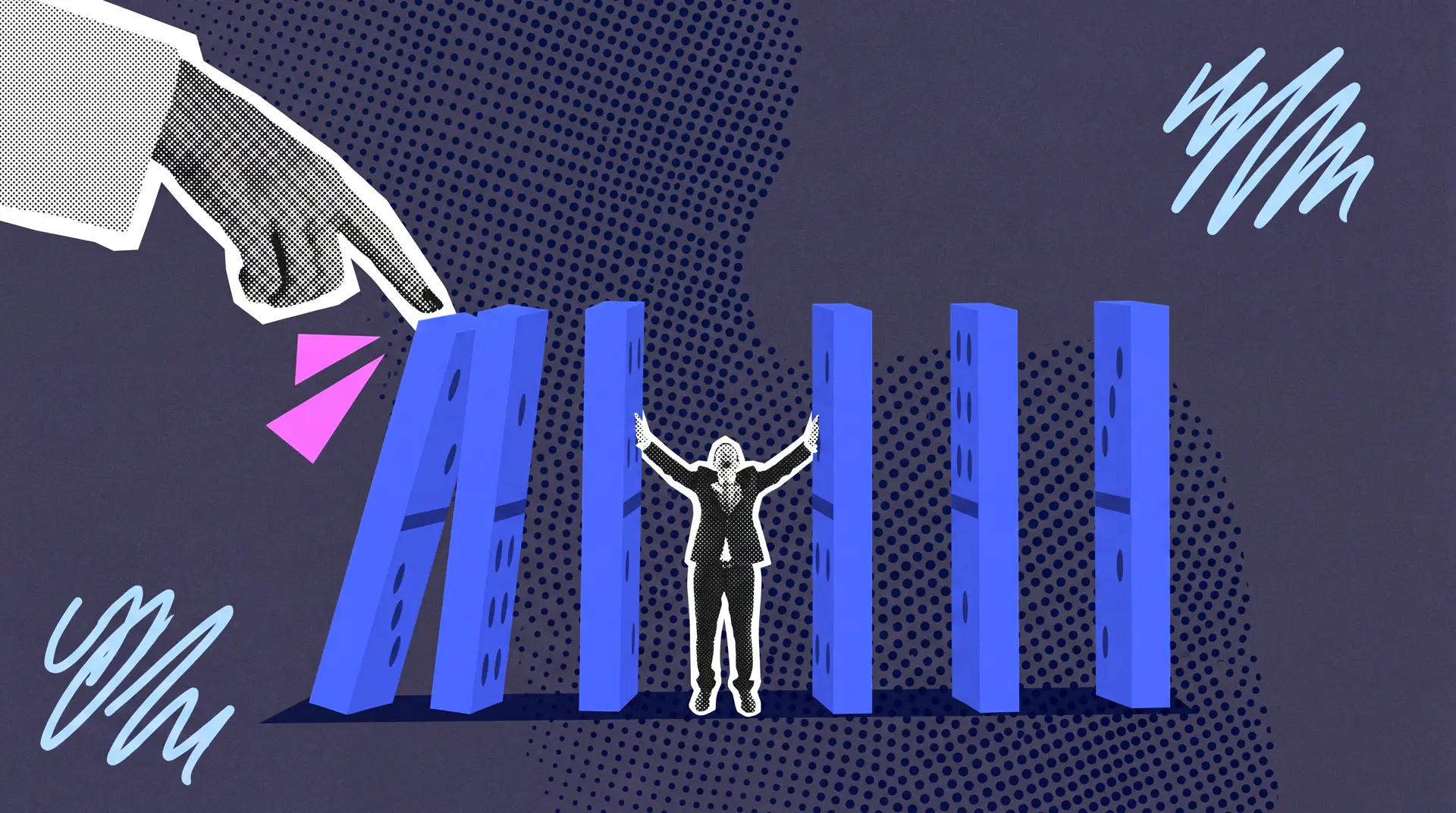
A hand tips dominoes while a small figure braces them, illustrating medical severity's cascading arc from AIS 2026's recap.

Raji Chadarevian opened his AIS 2026 session with three injured workers and a clear thesis. Medical severity is not a single number. It is a sequence of demographic, treatment, and timing decisions that compound over the life of a claim. Senior Solutions Advisor Ryan Smith reads what it means for workers’ compensation carriers.

Three Bureaus, One System, No Single Story: What CA, NY, and NCCI Made Clear at AIS 2026

Three colored doors open onto different paths, illustrating the CA, NY, and NCCI bureaus behind AIS 2026's multi-state workers' comp recap.

Tracy Ryan, Andrea Coleman, and Jeremy Attie closed AIS 2026 with a panel that made one case more clearly than any session in recent memory: workers’ comp is a federation, not a system. Senior Solutions Advisor Ryan Smith reads what the three-bureau dynamic means for carriers running across NCCI states, California, and New York.

The Eleven-Year Lucky Streak Just Tightened: Reading NCCI’s 2025 State of the Line

Business figures walk a tightening rope, illustrating NCCI's 2025 State of the Line and workers' comp's narrowing margins at AIS 2026.

NCCI’s 2025 State of the Line marked the twelfth consecutive year of underwriting gains for workers’ compensation, but the underlying math tightened. Combined ratios rose five points. Accident year crossed 100. Reserve redundancy slipped to $14 billion. Senior Solutions Advisor Ryan Smith reads what these shifts mean for 2026 planning.

Twelve Years In, the Story Just Got More Honest: Five Threads to Pull from AIS 2026

Pop-art hands take notes on paper, illustrating True's AIS 2026 workers' comp recap from NCCI's Orlando symposium.

Ryan Smith just got back from NCCI’s Annual Issues Symposium in Orlando. The twelfth straight year of underwriting profitability for workers’ compensation held. The rooms in Orlando sounded different about it. True’s Amy Sliger walks through five threads from AIS 2026 worth pulling on as carriers head into 2026.

What Mollick’s AIS Keynote on Artificial Intelligence (AI) Means for Workers’ Comp

Human hand and robotic hand meeting in a handshake, illustrating human-AI collaboration in workers' compensation ahead of Mollick's AIS 2026 keynote.

Ethan Mollick takes the AIS 2026 keynote stage with a cross-industry frame on AI adoption. Workers’ compensation needs the localization. We unpack the honest state of AI adoption in our industry, where it is already paying off, where the gaps still are, and what ’embracing the AI revolution’ looks like for carriers, SIGs, captives, MGAs, and TPAs.

Medical Severity Isn’t One Number: What’s Really Driving Claim Costs Heading Into AIS 2026

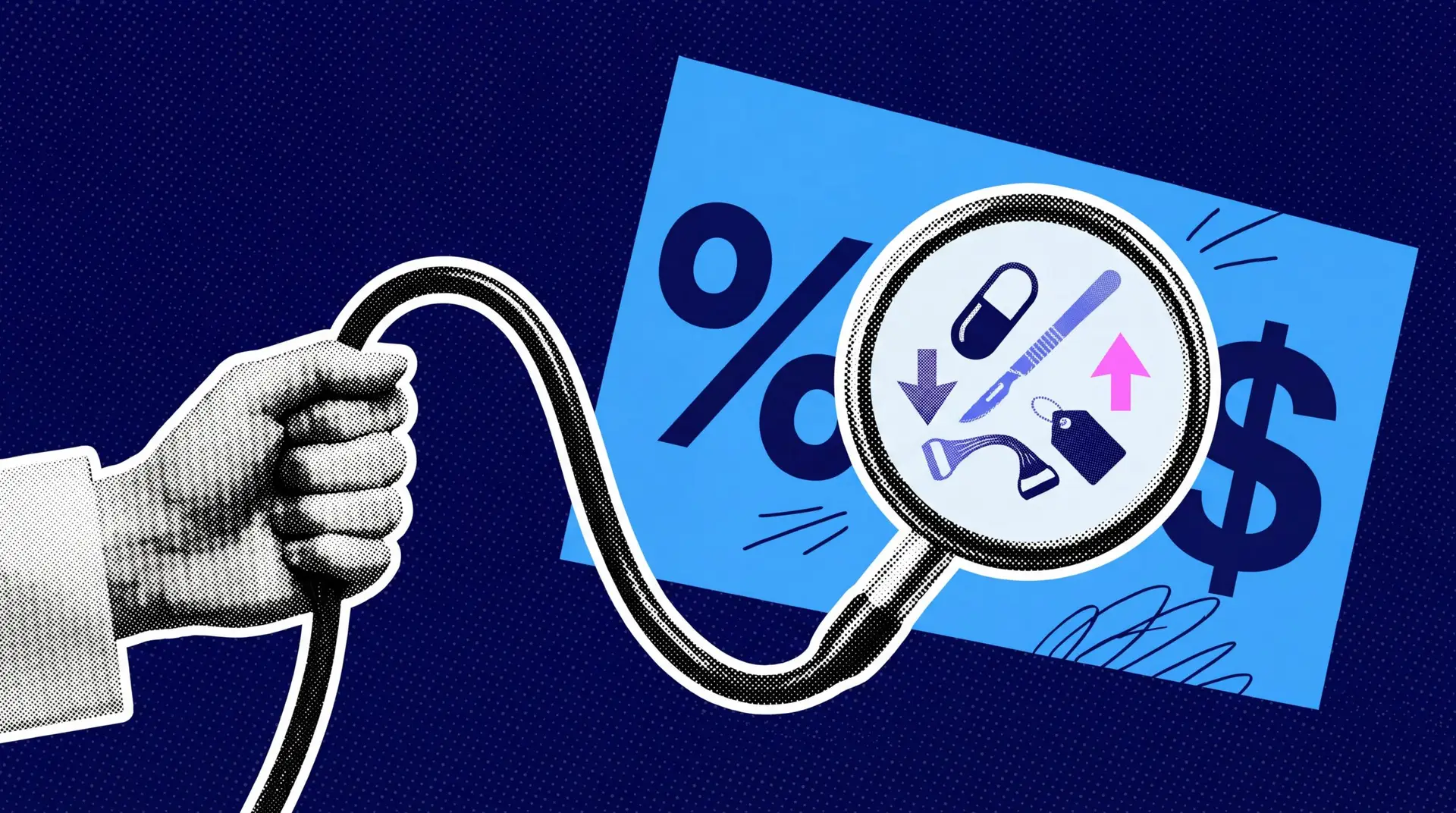
Hand holding a stethoscope, with the chestpiece revealing workers' compensation medical cost drivers (pill, scalpel, physical therapy band, price tag, and trend arrows) over percent and dollar signs. Hero image for the True Insurtech Solutions NCCI AIS 2026 medical severity blog.

When someone says medical severity is up six percent, it sounds like a single data point. NCCI’s Raji Chadarevian frames AIS 2026’s severity session this way: medical severity is more than a single metric. Here’s what’s driving claim costs going into the rest of the decade.

Every State Has a Story: What CA, NY, and NCCI Dynamics Tell Us About the Future of Workers’ Comp

Three hands extend from a laptop screen, each holding a different blue-toned book, symbolizing the distinct workers' comp regulatory stories of California, New York, and NCCI states.

Workers’ comp is a national industry with no national system. From California’s independent bureau to New York’s competitive pressures, state dynamics reveal what’s coming for the entire industry.

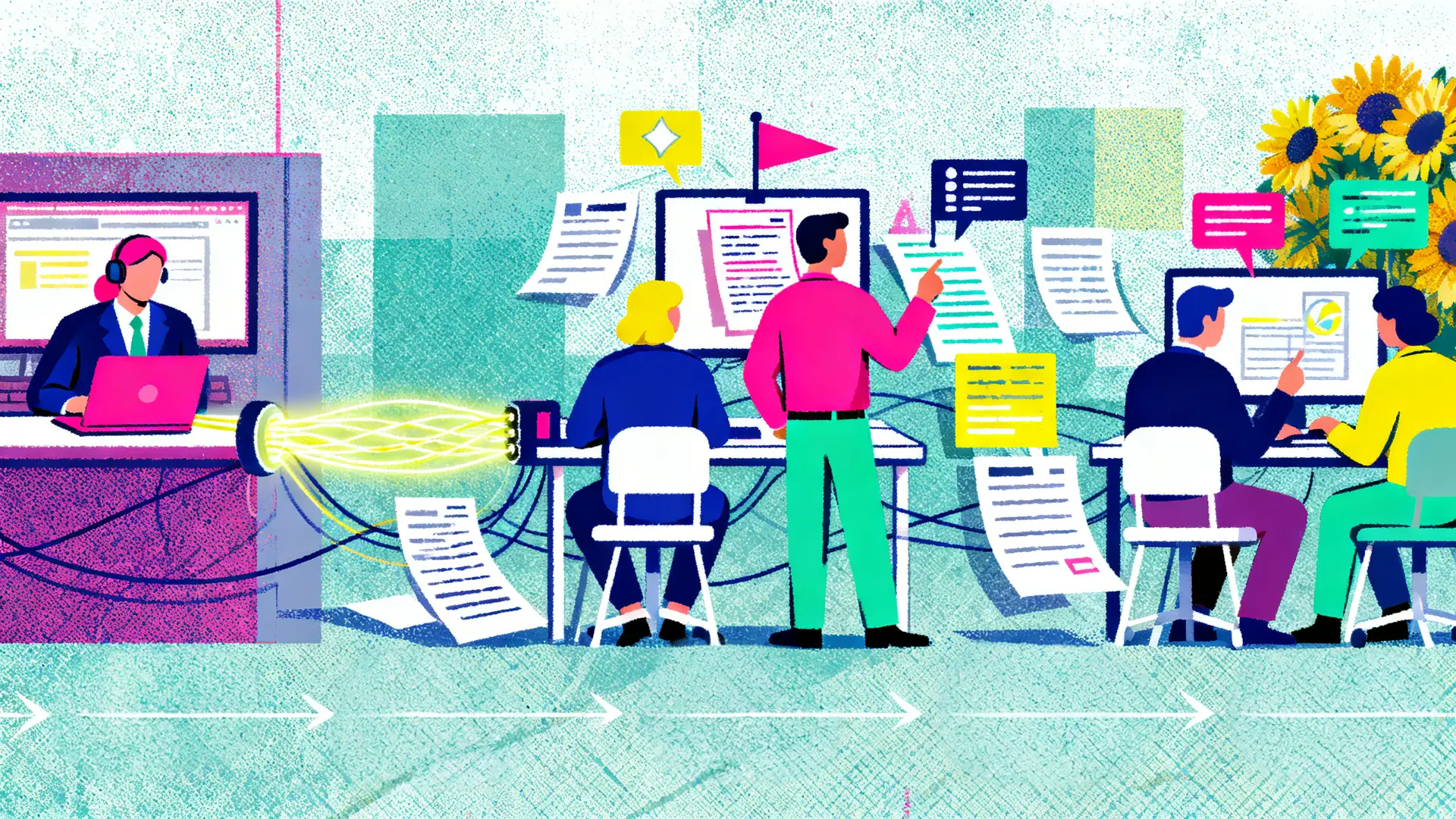
Workers’ Comp AI Investment: Why Aren’t You Seeing the Return?

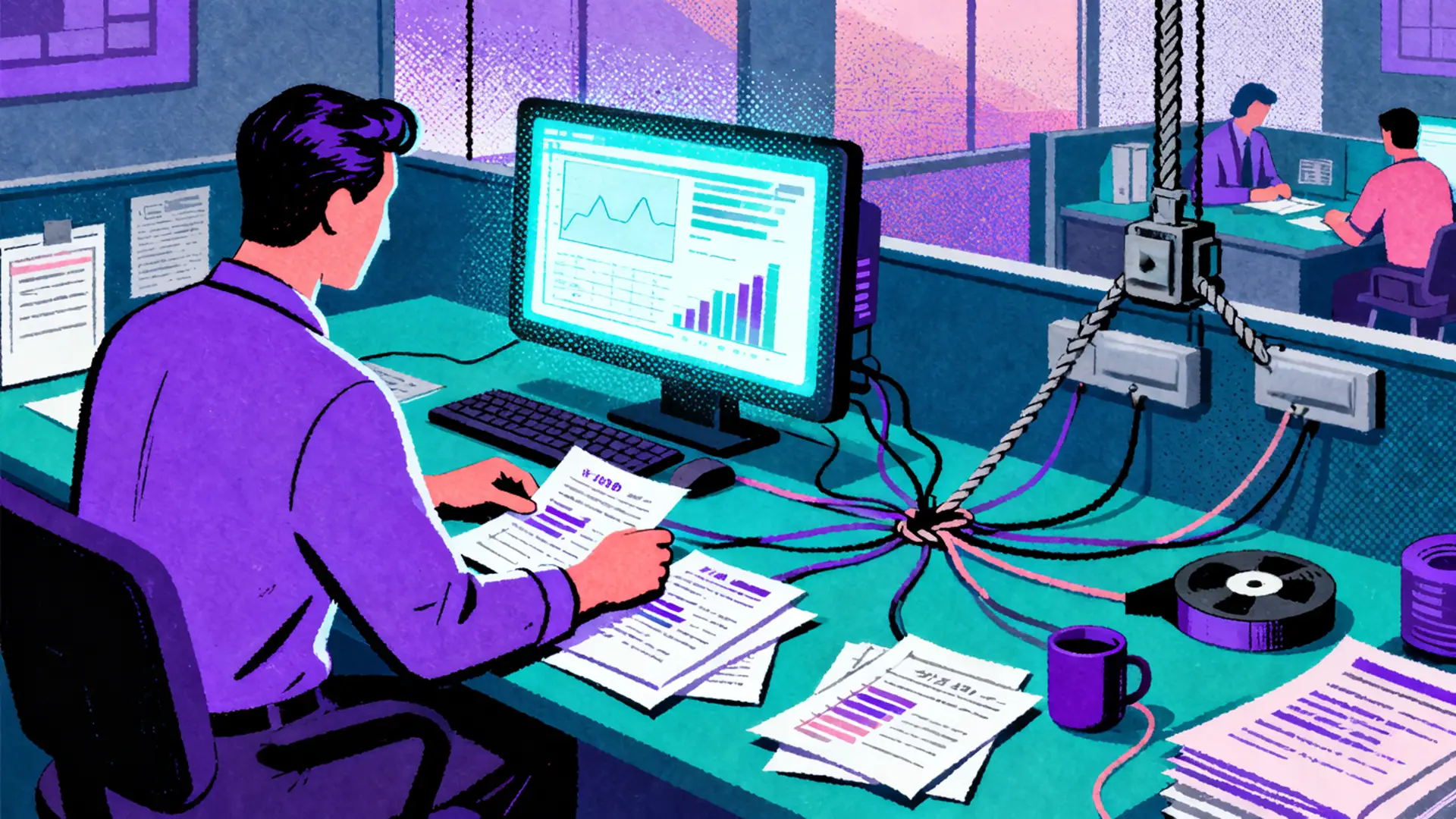
Illustration of a claims professional reviewing paper documents at a desk beside a glowing computer screen, while tangled cords and disconnected cables pile up nearby, representing fragmented systems and the gap between AI investment and operational impact.

Seventy percent of workers’ compensation carriers that have invested in AI have not achieved the outcomes they were looking for. That’s not a technology problem. It’s an implementation one. The difference between the organizations getting real returns and those still waiting usually comes down to three things: their data foundation, their workflow design, and whether their people adopted the tools.

NCCI State of the Line 2026: What the Numbers Mean

Illustrated magnifying glass examining zigzag data patterns against a deep blue background, representing close analysis of workers' compensation industry trends for 2026.

Every year, the NCCI State of the Line defines the conversation at the Annual Insights Symposium. Here’s what the 2026 numbers are likely to reveal about combined ratios, loss trends, and the financial health of the workers’ comp market.

Navigating the Regulatory Maze: AI Compliance in Workers’ Comp

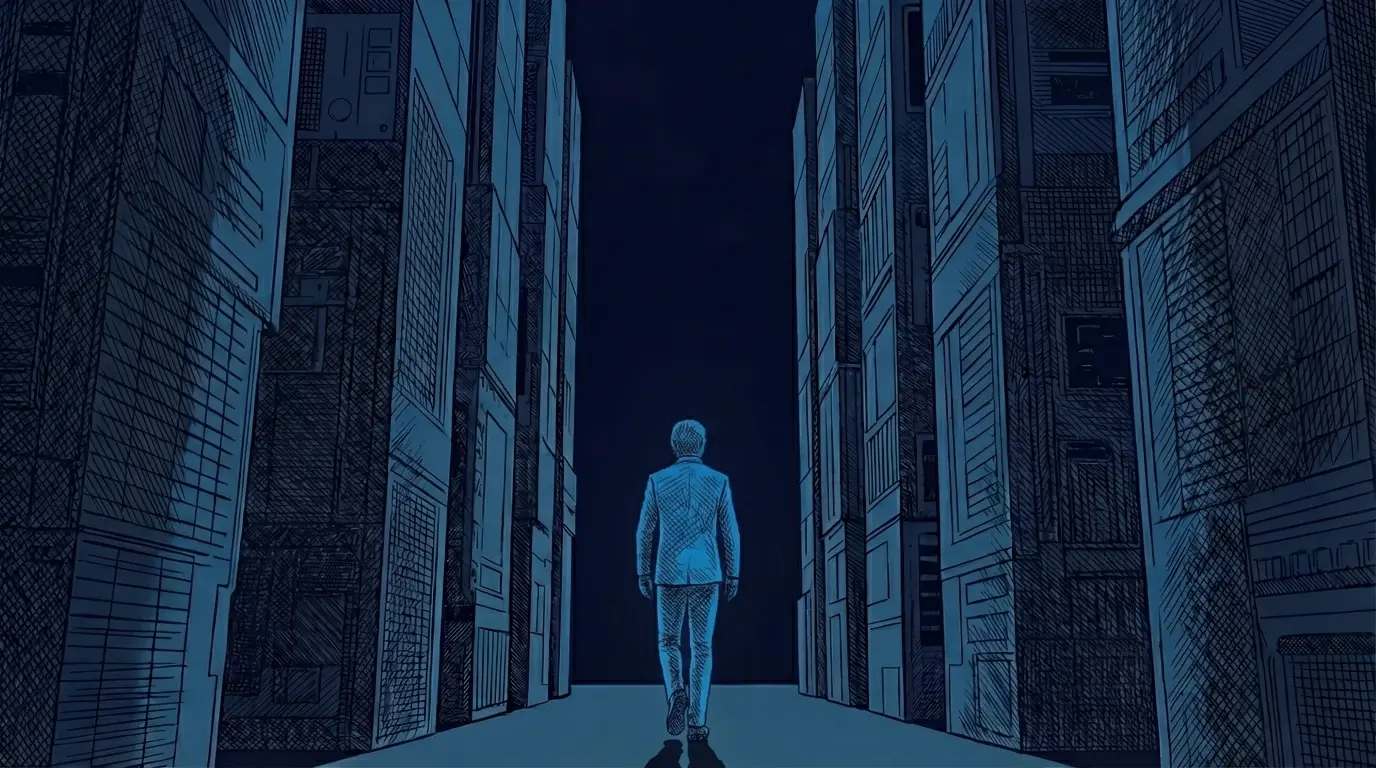
`Illustration of a suited figure walking away from the viewer through a narrow corridor of towering document-covered walls, representing the complexity of AI compliance navigation in workers' compensation insurance.

If you’re implementing AI in workers’ compensation and not thinking about regulation, you’re already behind. State AI insurance laws are hardening fast. Here’s what compliance looks like in 2026 and how to build a defensible governance framework.

True at AIS 2026: Meet Ryan Smith in Orlando

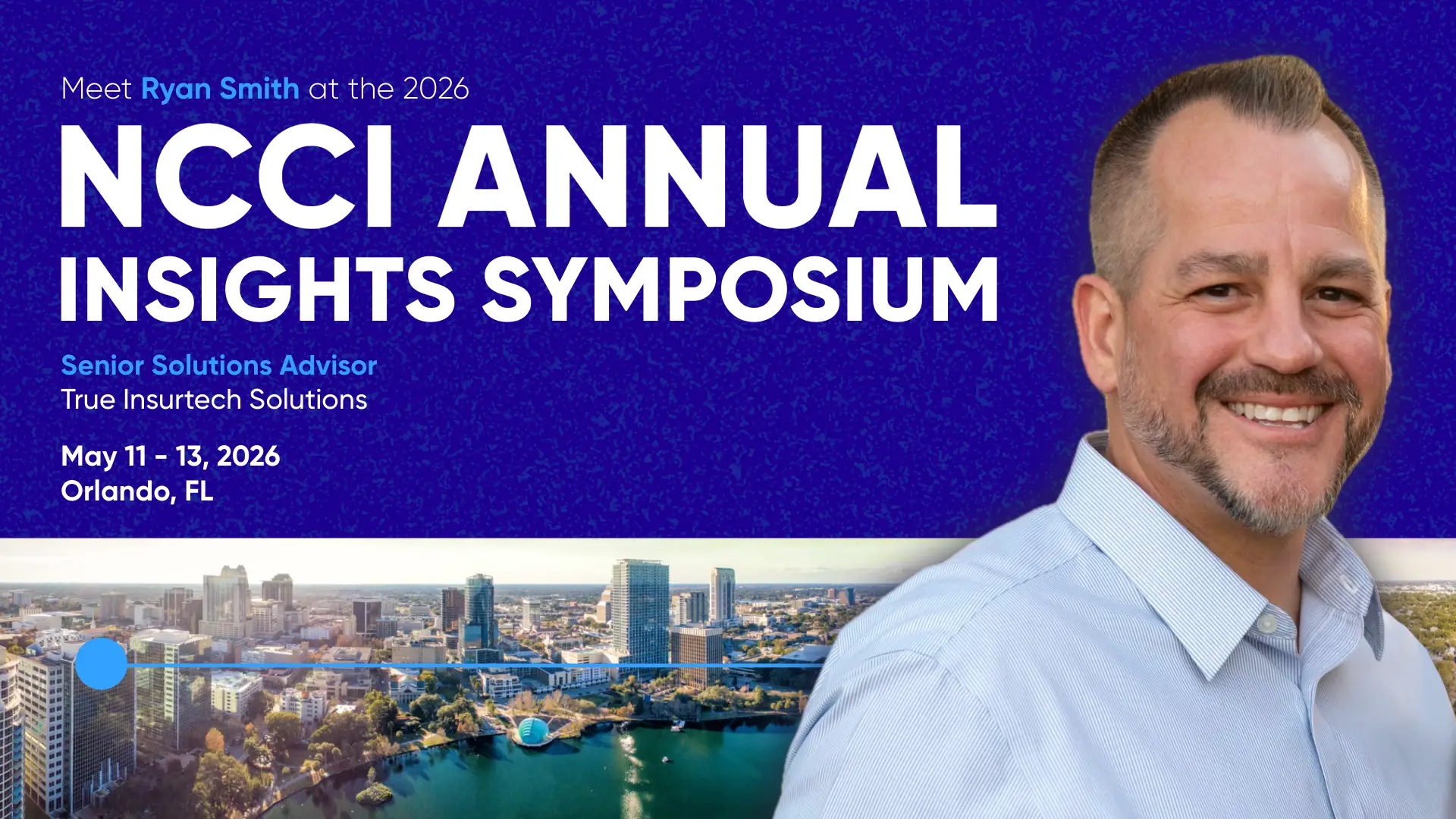
Meet Ryan Smith, True Insurtech Solutions Senior Solutions Advisor, at the 2026 NCCI Annual Insights Symposium in Orlando, Florida, May 11 - 13, 2026

True’s Senior Solutions Advisor Ryan Smith will be attending NCCI’s Annual Insights Symposium 2026 in Orlando May 11-13. Find out what we’re focused on and how to schedule time to connect at the event.

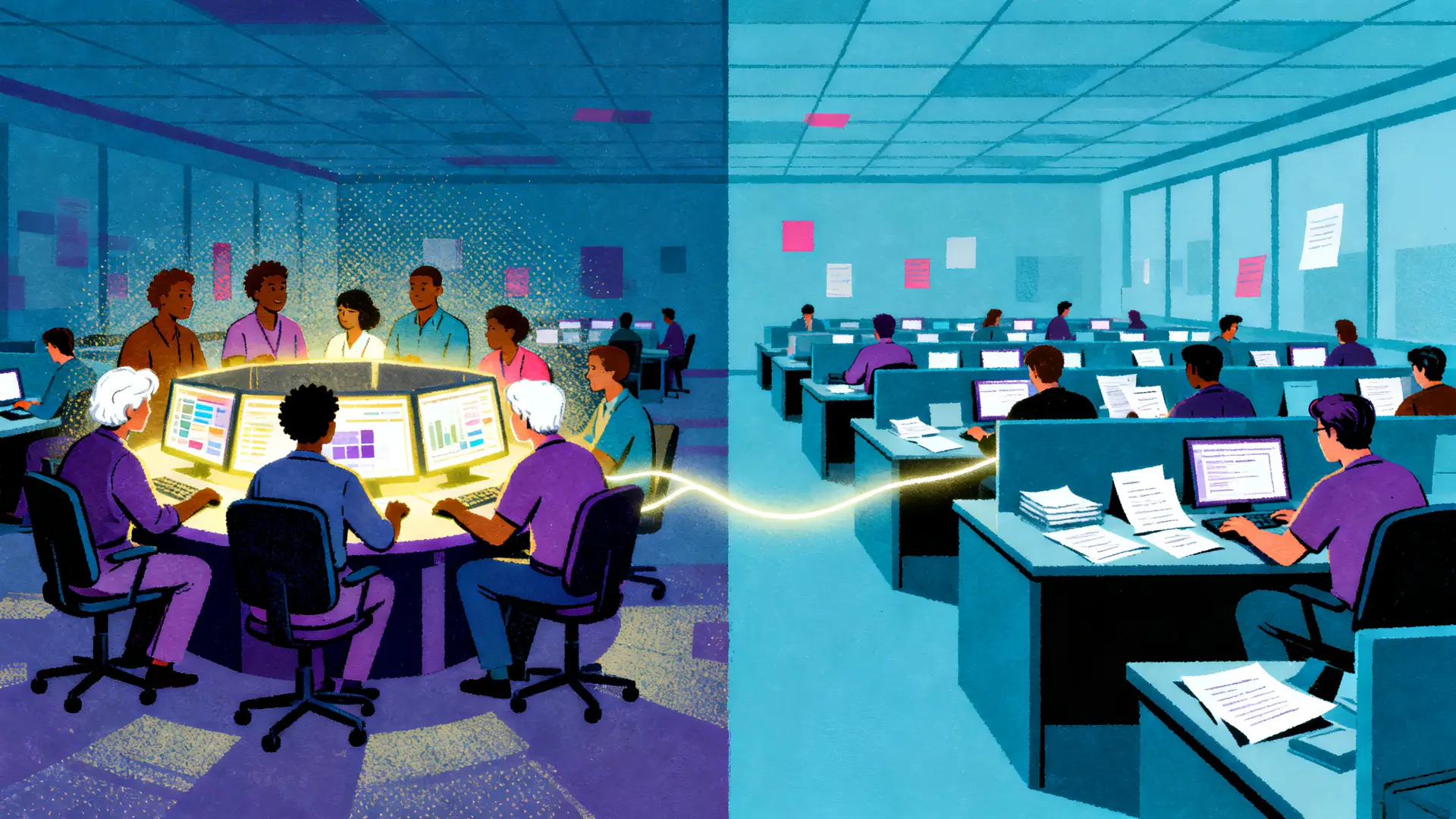
Your People Aren’t the Problem. Here’s How to Make Them Your Biggest AI Advantage.

A crystalline AI hand passes an origami heart folded from blueprint paper to an open human hand, symbolizing human-AI partnership and workforce support in workers' compensation operations.

AI isn’t coming to replace your workers’ comp operations team, but it is going to change what every role on that team looks like, and the organizations that manage that transition well will outperform those that don’t. This is a practical guide to evolving roles, building the skills that matter, and creating the culture that makes human-AI partnership work in workers’ comp.

True Insurtech Solutions Successfully Completes SOC 2® Type II Audit for Security Controls

Abstract geometric composition featuring layered blue crystalline forms and flowing translucent shapes representing True Insurtech Solutions' SOC 2 Type II security compliance and data protection for workers' compensation insurance platforms

True Insurtech Solutions announces successful completion of its SOC 2® Type II audit, validating the strength of its internal security controls across TruePolicy™, TrueClaims™, and TruePortals™. This milestone reinforces True’s dedication to data protection, trust, and regulatory excellence in the workers’ compensation industry.

10 Workers’ Compensation Technology Trends Every Executive Should Watch in 2026

Illustrated workplace panorama showing a warehouse, medical clinic, and office environment connected by flowing data lines, representing the convergence of technology across the workers' compensation industry.

Workers’ compensation is changing faster than most executives realize, and the insurers that thrive in 2026 will be the ones investing in technology to work smarter, move faster, and deliver better outcomes for injured workers. From generative AI and predictive analytics to cloud-native platforms and behavioral health integration, here are the ten technology trends every workers’ comp executive should understand right now.