A Labor Market That Held Up by Almost Standing Still: Reading Stephen Cooper’s 2026 Economy Update
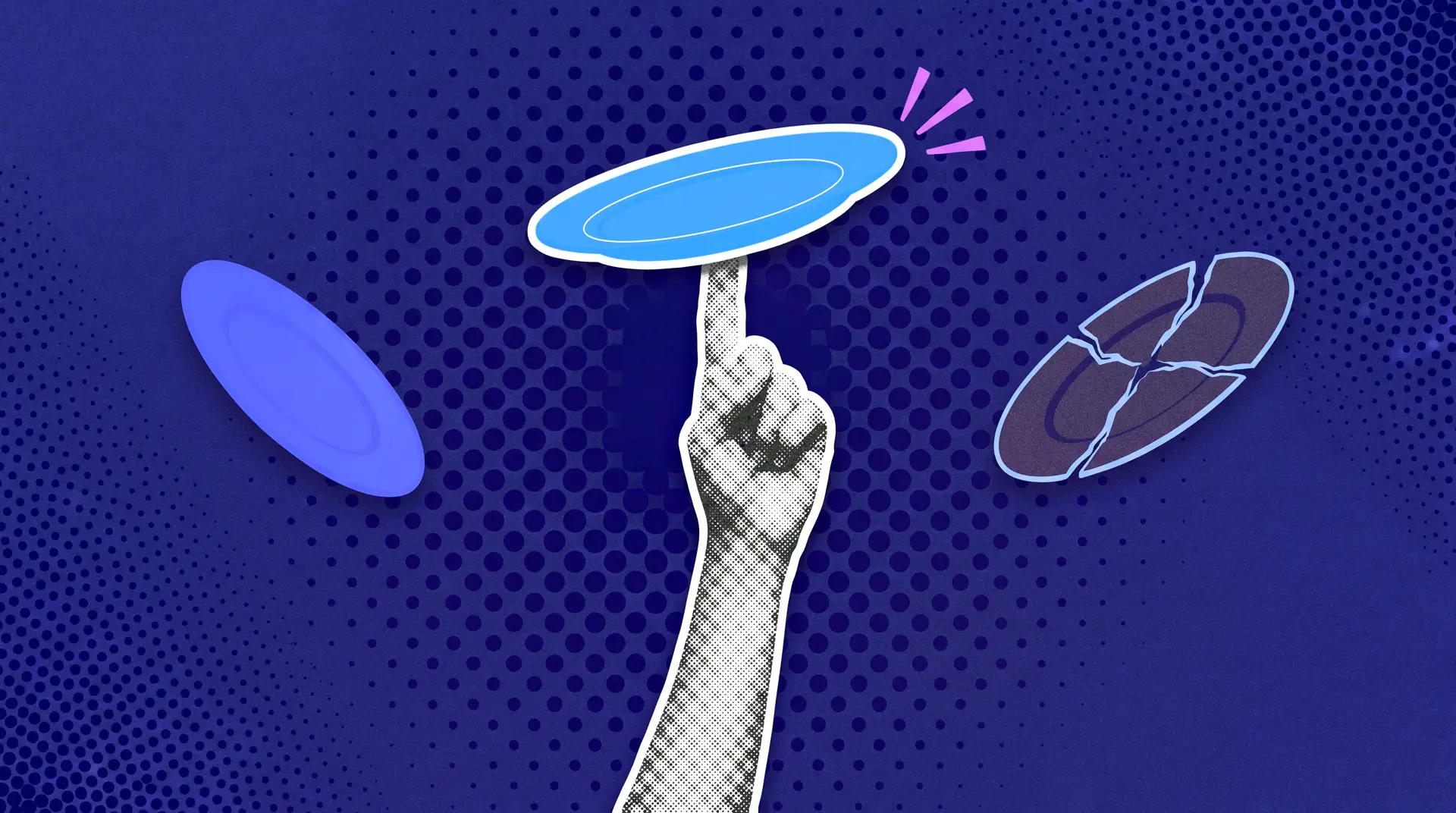
A hand spins one plate while another drifts loose and a third cracks. The image illustrates the fragile 2025 economy behind AIS 2026's workers' comp update.

Stephen Cooper opened his AIS 2026 economy update with an uncomfortable truth: 2025 saw the slowest U.S. job growth outside a recession in more than two decades, but workers’ comp kept turning. Senior Solutions Advisor Ryan Smith reads what Cooper’s data means for premium, frequency, and severity heading into 2026.

The Eleven-Year Lucky Streak Just Tightened: Reading NCCI’s 2025 State of the Line

Business figures walk a tightening rope, illustrating NCCI's 2025 State of the Line and workers' comp's narrowing margins at AIS 2026.

NCCI’s 2025 State of the Line marked the twelfth consecutive year of underwriting gains for workers’ compensation, but the underlying math tightened. Combined ratios rose five points. Accident year crossed 100. Reserve redundancy slipped to $14 billion. Senior Solutions Advisor Ryan Smith reads what these shifts mean for 2026 planning.

Twelve Years In, the Story Just Got More Honest: Five Threads to Pull from AIS 2026

Pop-art hands take notes on paper, illustrating True's AIS 2026 workers' comp recap from NCCI's Orlando symposium.

Ryan Smith just got back from NCCI’s Annual Issues Symposium in Orlando. The twelfth straight year of underwriting profitability for workers’ compensation held. The rooms in Orlando sounded different about it. True’s Amy Sliger walks through five threads from AIS 2026 worth pulling on as carriers head into 2026.

The Economy and Workers’ Comp: Why Macro Trends Hit Closer to Home Than You Think

Conceptual collage of a hand gripping rising blue and purple arrows as a dark arrow snaps downward and a pink arrow falls, illustrating economic uncertainty.

Workers’ comp is priced off payroll and shaped by employment patterns. When the economy shifts, carriers feel it — sometimes immediately, sometimes with a lag. Here’s how to read macro trends before they hit your book.