10 Workers’ Compensation Technology Trends Every Executive Should Watch in 2026

Illustrated workplace panorama showing a warehouse, medical clinic, and office environment connected by flowing data lines, representing the convergence of technology across the workers' compensation industry.

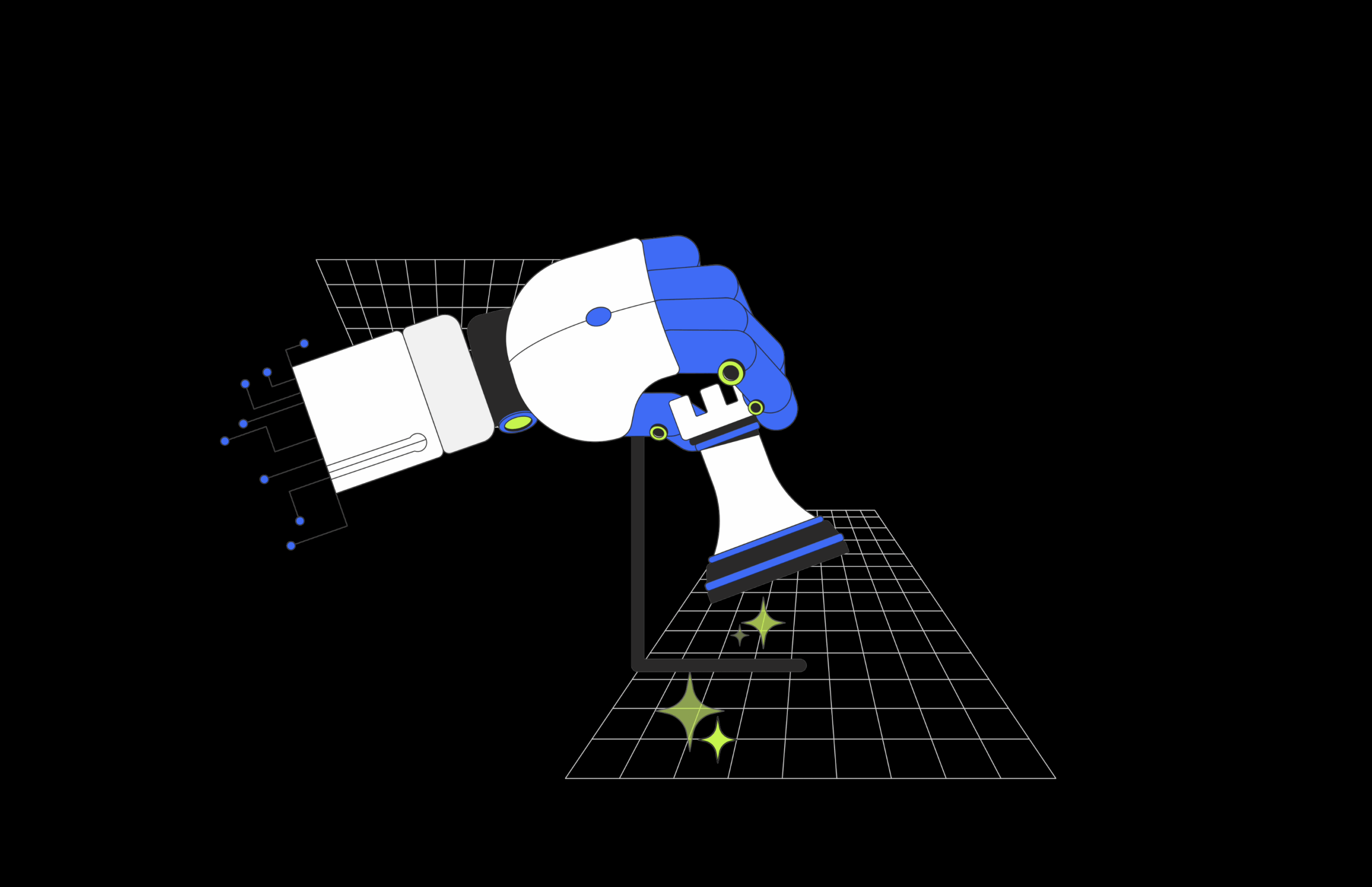
Workers’ compensation is changing faster than most executives realize, and the insurers that thrive in 2026 will be the ones investing in technology to work smarter, move faster, and deliver better outcomes for injured workers. From generative AI and predictive analytics to cloud-native platforms and behavioral health integration, here are the ten technology trends every workers’ comp executive should understand right now.


True VP of Product Development Returns to NCCI’s Data Now Program 2026

Modern terrace workspace overlooking Florida coastline at sunset with laptops displaying data visualizations, representing Colin Moulton attending NCCI Data Now Program in Boca Raton, Florida, January 2026 for professional development in workers' compensation technology

Colin Moulton, VP of Product Development at True Insurtech Solutions, is attending NCCI’s Data Now Program 2026 in Boca Raton, FL (January 27-29). Learn why this premier data reporting event matters for workers’ compensation professionals and how True stays at the forefront of insurance technology innovation.

The New AI Blueprint for Fighting Workers’ Comp Fraud

Illustration of many uniform blue dots with one marked by a pink X, symbolizing how AI identifies an anomalous workers’ comp claim within a large dataset.

Workers’ compensation fraud continues to evolve, and so do the tools used to stop it. This blog breaks down how AI-driven fraud detection is helping insurers uncover hidden patterns, accelerate investigations, reduce false positives, and strengthen overall outcomes through smarter, more precise detection.

Smarter AI Investments in Workers’ Comp: A Leadership Guide to True ROI

Download the 2025 State of AI in Workers’ Compensation report to explore key trends, real-world use cases, and what insurance leaders should prioritize next.

AI in workers’ comp isn’t about hype, it’s about value. This guide breaks down real-world ROI timelines, total cost of ownership, and how True’s integrated solutions help leaders invest smarter.

AI in Workers’ Compensation: Key Insights from 2025 and What Comes Next

Digital illustration of AI-enhanced workers’ comp intelligence visualizing claims, risk, fraud, and safety data—supporting 2025 trends in automation, analytics, and underwriting precision.

Artificial intelligence is already reshaping workers’ compensation—from claims and fraud detection to safety and underwriting. This blog breaks down the most impactful trends from 2025 and reveals where insurance leaders should focus next to gain strategic advantage in 2026.

True Returns to Sponsor the 2025 MCSIGA Annual Fall Conference

Banner for the 2025 MCSIGA Annual Fall Conference in Plymouth, Michigan, sponsored by True Insurtech Solutions.

True Insurtech Solutions will once again join the 2025 MCSIGA Annual Fall Conference, October 16–17 at St. John’s Resort in Plymouth, Michigan. As both a sponsor and MCSIGA member, True looks forward to connecting with Michigan’s self-insured workers’ compensation community. Senior Solutions Advisor Ryan Smith will be on-site to meet with fellow attendees and MCSIGA members throughout the event.

Something New Is Coming to Workers’ Comp

Maze representing workers' comp communications

Workers’ compensation communication is broken—and everyone feels it. From claims and underwriting to marketing and compliance, teams struggle with slow, inconsistent messaging that frustrates customers and drags down efficiency. Next Tuesday, October 7, a new standard will be unveiled—one that promises speed, clarity, and confidence in every interaction. Don’t miss the reveal.

Resilient by Design: Proactive Strategies for Managing Tariff-Driven Drug Costs in Workers’ Comp

Image of an 18-wheeler hauling a shipment to represent the concept of shipping and distribution of pharmaceutical products.

The proposed 25% pharmaceutical tariffs could significantly increase drug costs and disrupt treatment in workers’ compensation. Learn how insurers and employers can mitigate risk using True’s adaptive technology.

From Siloes to Strategy: Making Digital Transformation Work in Workers’ Comp

Illustration of a thoughtful woman with glasses looking up at a light bulb with a speech bubble that says, “Hey True, can you break down Digital Transformation?” The image visually introduces the concept of digital transformation in an approachable and engaging way, aligning with the True Breakdown educational blog series.

Too many workers’ comp insurers are stuck with siloed systems, redundant processes, and lagging insights. In this edition of True Breakdown, we unpack what digital transformation really means for workers’ compensation—and how centralizing your systems and data can drive smarter, faster, and more secure operations.

What is SOC 2® and Why It Matters in Workers’ Compensation Insurance

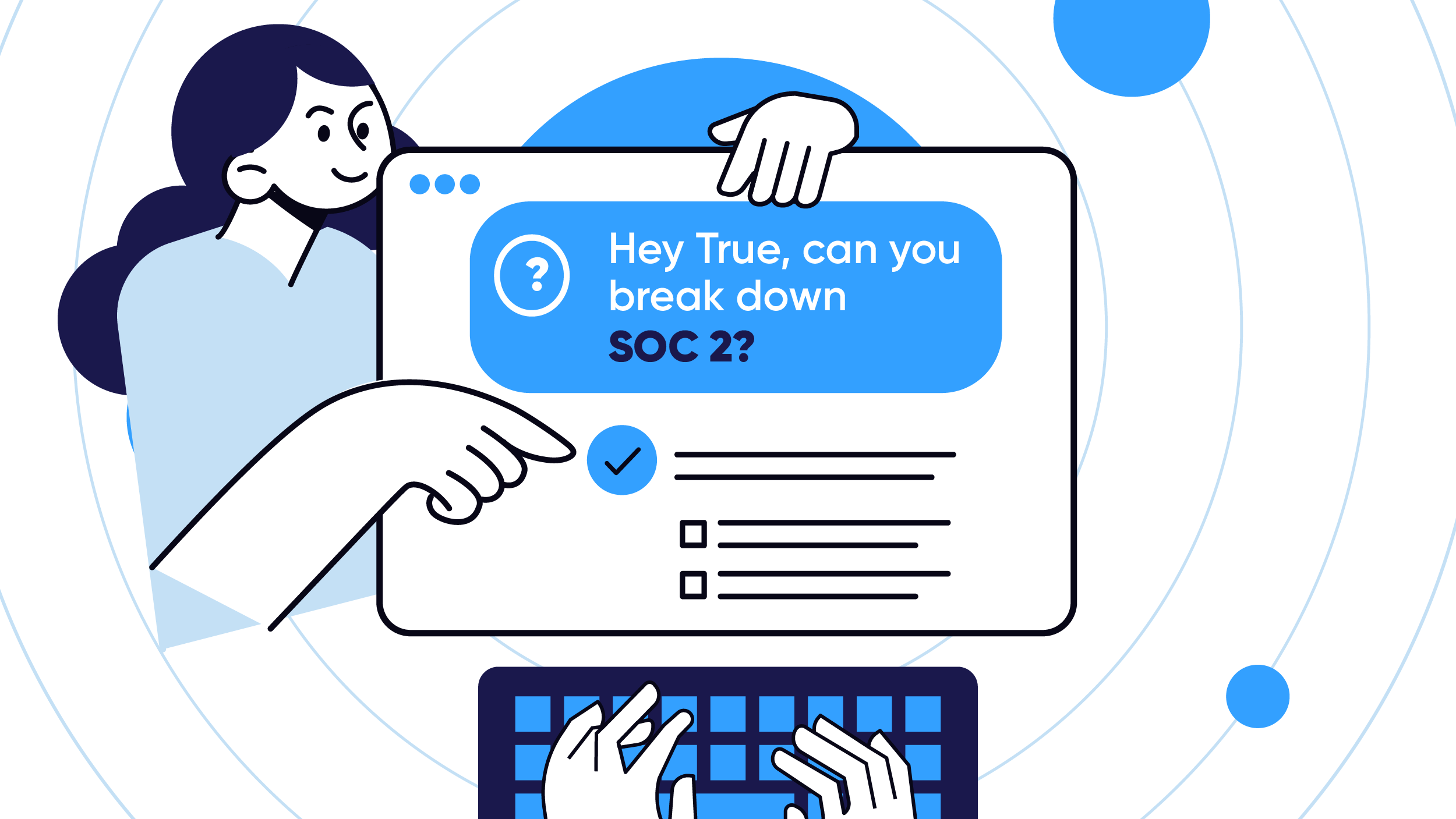
Illustration showing a character asking “Hey True, can you break down SOC 2?” to introduce a blog that explains SOC 2® for workers’ compensation insurers.

SOC 2® examinations play a critical role in helping workers’ comp insurers evaluate the security practices of their technology partners. Learn what SOC 2 means, why it matters, and how True is supporting secure, scalable operations.

True Insurtech Solutions Successfully Completes SOC 2® Type II Audit for Security Controls

Digital cybersecurity padlock icon surrounded by technology and compliance symbols, representing SOC 2® Type II data security compliance for True Insurtech Solutions’ workers’ compensation software.

True Insurtech Solutions announces successful completion of its SOC 2® Type II audit, validating the strength of its internal security controls across TruePolicy™, TrueClaims™, and TruePortals™. This milestone reinforces True’s dedication to data protection, trust, and regulatory excellence in the workers’ compensation industry.

The Future of Workplace Wellbeing: 5 Key Takeaways from the 2025 Psychological Safety Study

A digital illustration of a professional with eyes closed, symbolizing psychological safety and well-being in the workplace. Vibrant orange clouds emerge from the head, representing innovation, trust, and mental resilience in workers’ compensation and insurance.

The 2025 Psychological Safety Study highlights critical insights for the insurance and workers’ compensation industry, revealing how trust, open communication, and mental well-being impact return-to-work outcomes, claims durations, and workforce retention. Learn how insurers, TPAs, and employers can foster safer, more productive workplaces while mitigating long-term claims risks.

Avoiding Compliance Fines—How Insurers Can Stay Ahead

A close-up of a professional’s hands typing on a laptop, with futuristic digital compliance icons hovering above. The icons include a secure checkmark, a checklist, a handshake, a construction worker, a training symbol, and a warning sign, representing automated compliance workflows and regulatory adherence in insurance and workers’ compensation. The image conveys a modern, technology-driven approach to ensuring compliance and avoiding fines.

Failing to comply with workers’ compensation data reporting can lead to hefty fines and regulatory risks. This guide explores common pitfalls and strategies insurers can use to prevent costly compliance errors.

Preparing for Medical Data Call Reporting: What Insurers Need to Know

A doctor in a white coat with a stethoscope around their neck holds a tablet displaying digital medical records. Three glowing, semi-transparent icons representing medical forms, checklists, and healthcare data float above the tablet, symbolizing medical data collection, compliance, and digital reporting.

Medical Data Call (MDC) reporting is essential for compliance and analytics in workers’ compensation as more insurers are required to participate. The NCCI Data Now 2025 notes challenges insurers face, including data integration and accuracy. By enhancing data capabilities and automation, insurers can streamline submissions, mitigate compliance risks, and gain competitive advantages.

Unit Statistical Reporting Continues to Be a Challenge—How Insurers Can Adapt

A glowing blue maze symbolizing the complexity and challenges of unit statistical reporting in the insurance industry. The illuminated pathways represent the intricate data requirements and compliance hurdles insurers face.

Unit Statistical Reporting (USR) is vital for workers’ compensation insurers, affecting e-mod calculations and compliance. Insurers face challenges like data accuracy and submission timeliness, risking penalties and inefficiencies. The article discusses enhancing data quality, automating reporting, and staying informed on regulations to mitigate risks and transform USR challenges into competitive advantages.